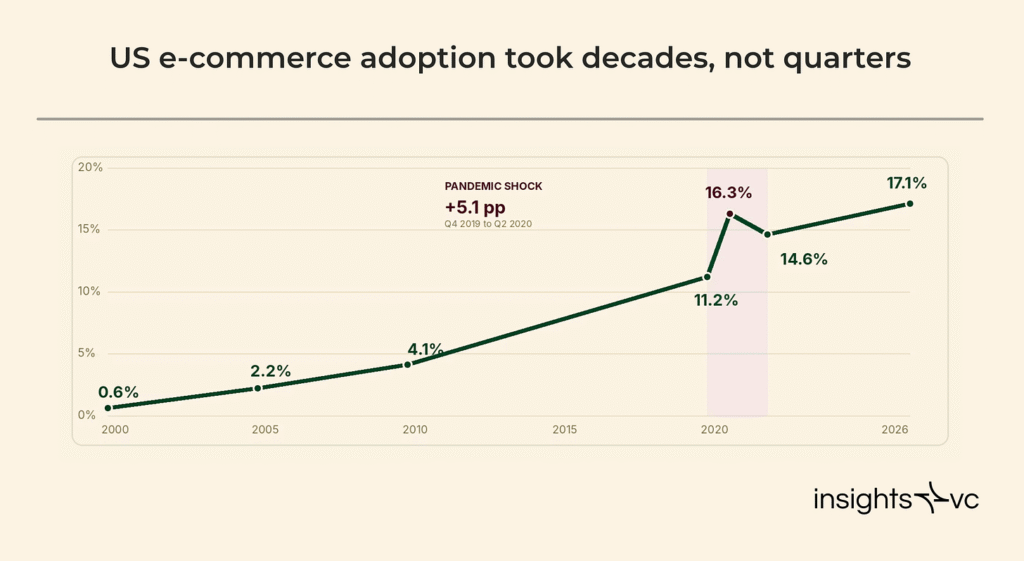
Historical report: This article is based on analysis published by 深潮 TechFlow on November 13, 2026, at 10:05 a.m. China time (UTC+8). The figures and deployment stages below reflect that reporting, not a current-status check.
AI is becoming a useful way to find products, but finding an item, authorizing a purchase and settling the payment are separate steps. That distinction matters when evaluating whether a shopping assistant has helped someone buy something—or has been trusted to spend on their behalf.
From recommendation to permission
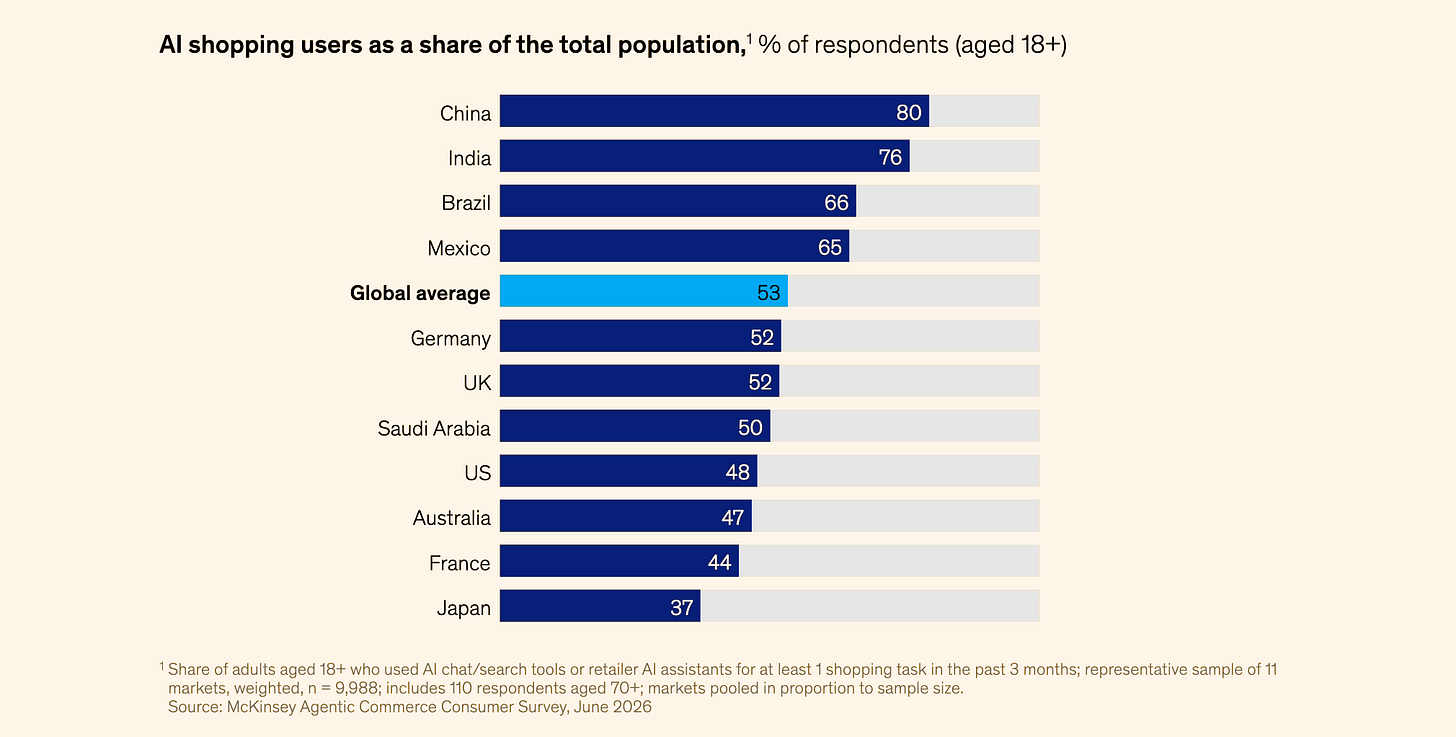
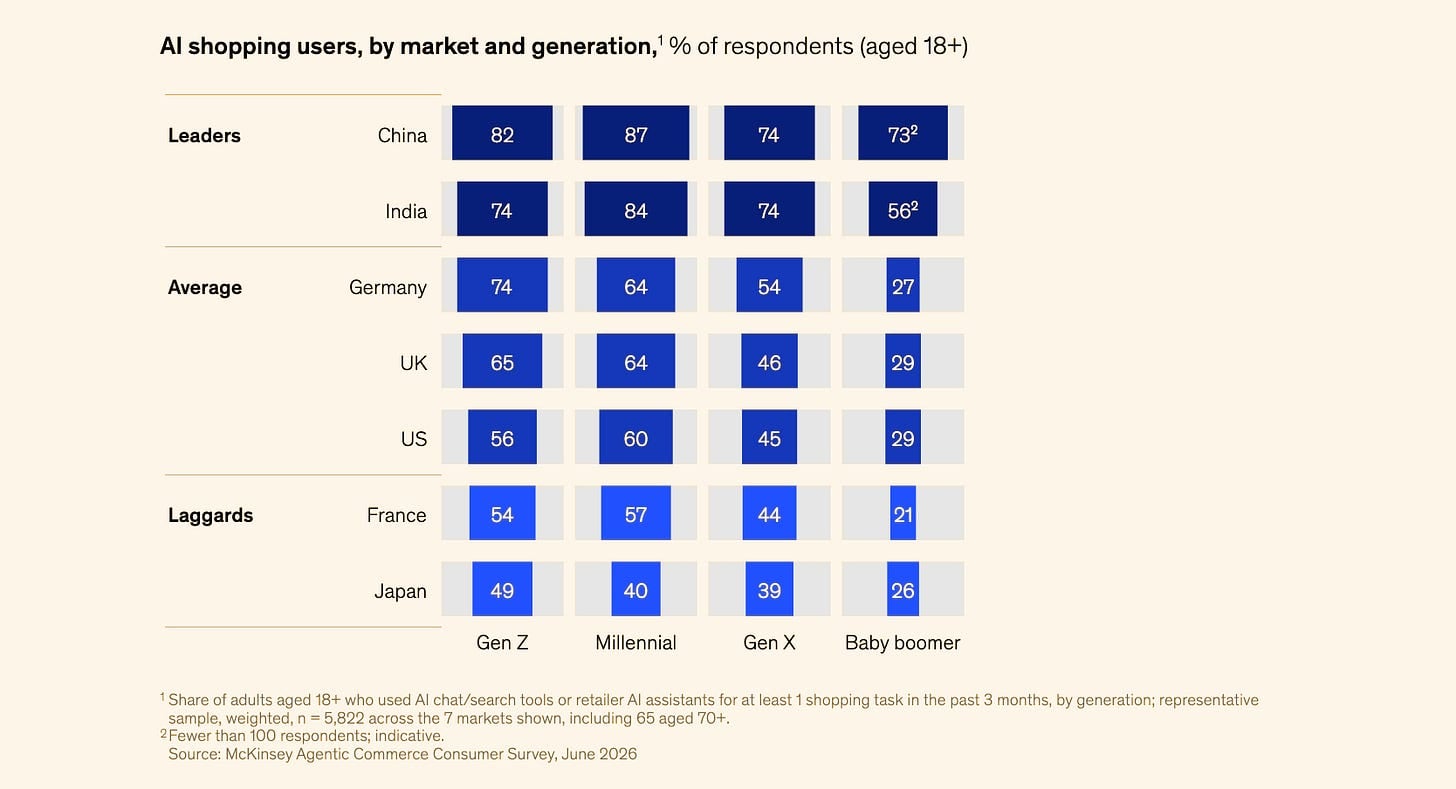
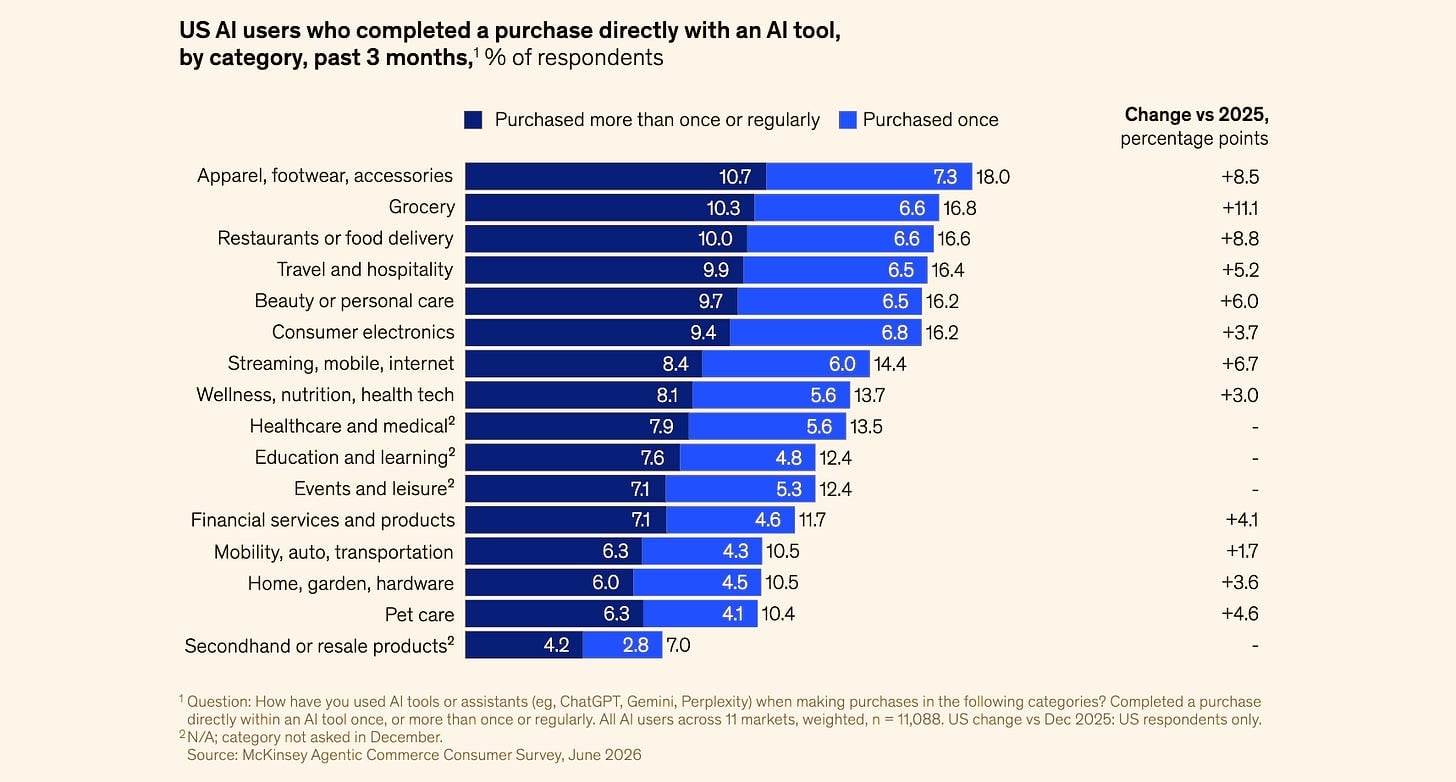
In a McKinsey survey discussed in the original analysis, 14% of AI users said they had bought directly through an AI tool, equivalent to about 9% of the broader surveyed group. Those self-reports did not establish whether the AI made the purchase autonomously. Adobe, meanwhile, found that US retail visitors referred by AI converted at a higher rate than non-AI traffic. That comparison does not show whether AI generated additional sales: people may already have decided what to buy before clicking through.
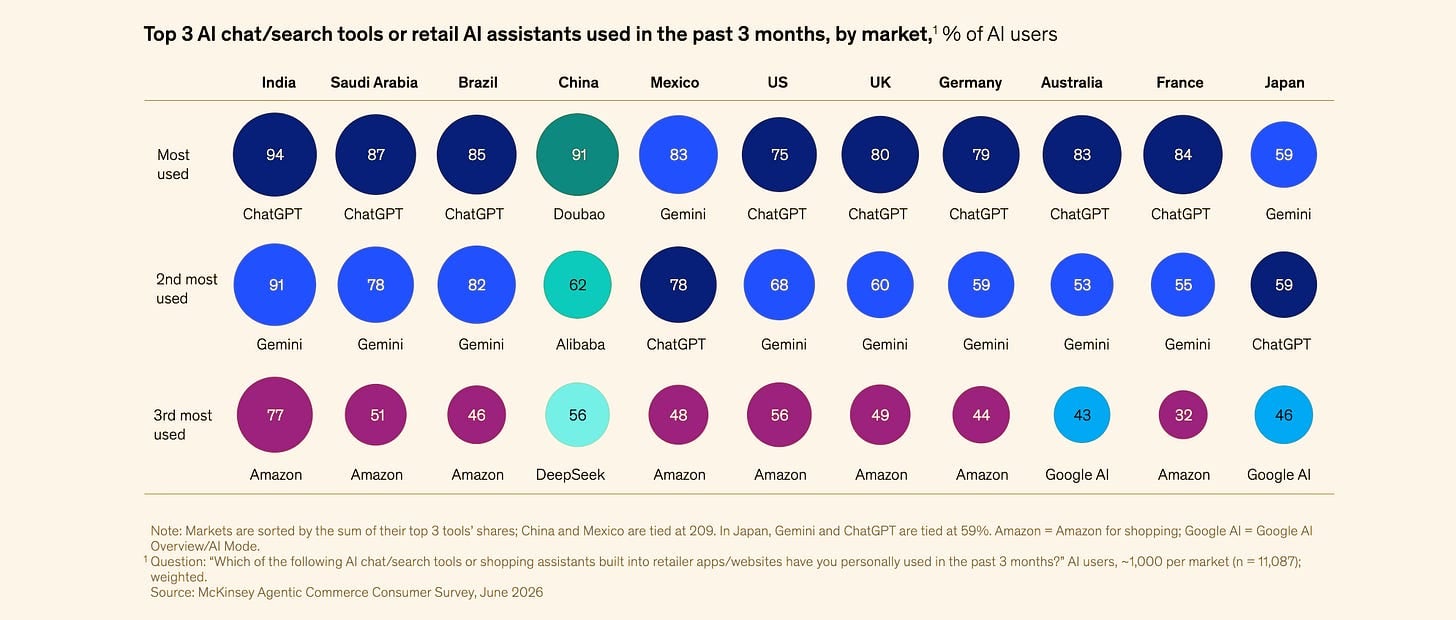
Assistants inside established shopping apps start with an advantage. They can work within existing catalogs, customer accounts, payment methods and delivery arrangements. An independent agent must also gain merchant access and permission to act. The difference shows up in the reported order counts: on a November 4 earnings call, Uber management cited about 500 agent-initiated Uber Eats orders during Halloween week, against roughly 320 million trips across its platform. That broad trip count is not a conversion-rate denominator for users able to place such orders.
Authorization is more than access to a payment credential. An agent needs to choose the right item and stay within the buyer’s instructions. In Visa’s shopping-decision benchmark, models succeeded on average in 57.2% of tested runs; the scenarios took place before checkout, payment and fulfillment, so that figure is not a real-world payment-failure rate. The source argues for controls such as bounded spending authority, records of the exact offer and price, and renewed authorization when material terms change. It presents these as design requirements, not features already present in every integration.
What the payment layer can—and cannot—solve
Commerce and authorization initiatives address different parts of this journey. UCP and ACP structure shopping interactions; AP2 and Mastercard’s Verifiable Intent address authorization records; payment credentials and processing remain another layer. Merchant participation is still necessary: an open specification cannot require a retailer to accept an agent.
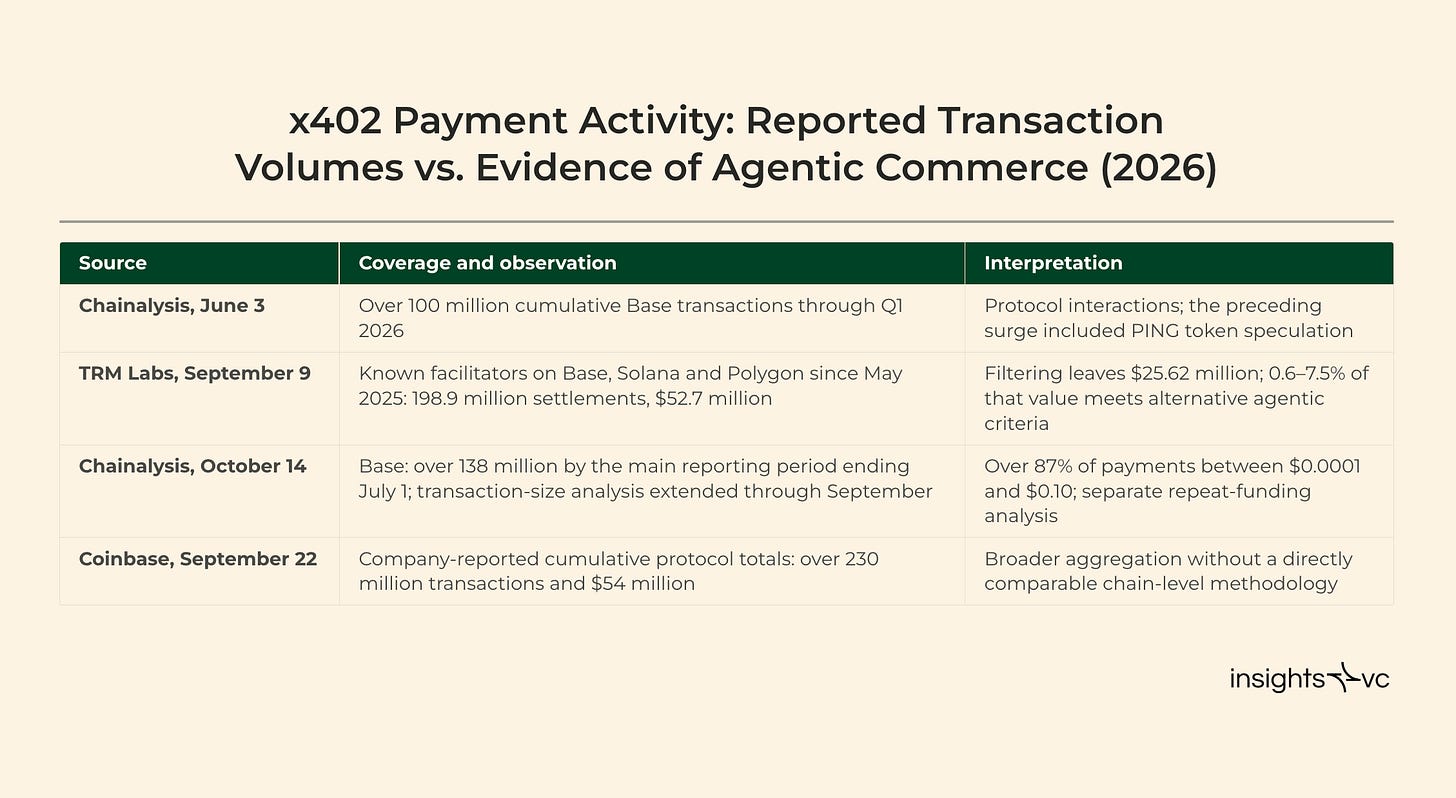
Stablecoins may help software buy a small digital service from an unfamiliar supplier, particularly when both sides can already use compatible assets. But agents can also pay through cards, bank transfers or existing business accounts. Faster settlement does not establish that an item met the buyer’s requirements, prevent a duplicate order after a lost response, or provide a refund process.
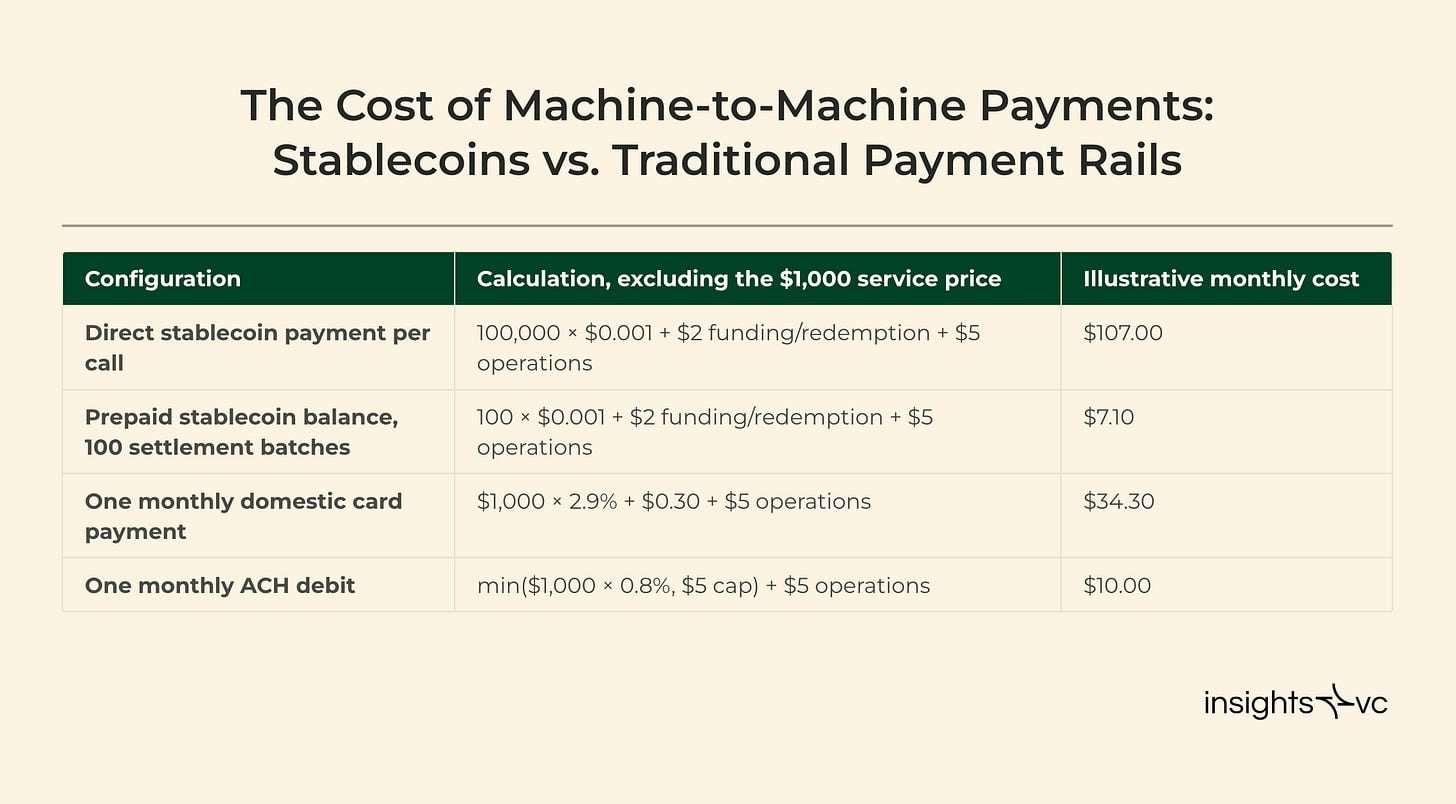
The original analysis illustrates the cost trade-off with hypothetical, not quoted, prices: 100,000 API calls at $0.01 each produce a $1,000 monthly bill. Its comparison groups card or ACH charges into a monthly payment rather than pretending each call requires its own card transaction. Under the stated assumptions, batching stablecoin settlement saves just $2.90 per month against ACH; increasing the assumed combined on- and off-ramp cost from 0.20% to 1% makes that batch approach more expensive than ACH. Prefunding also ties up the buyer’s money, regardless of whether the balance was funded by card or stablecoin.
For a buyer, the meaningful test is therefore the whole path: Did the assistant understand the request, obtain the right permission, place one correct order, deliver a usable receipt and leave a way to fix a mistake? A cheaper transfer helps only if those other costs and risks remain manageable.
Source: techflowpost.com (originally published 2026-11-13 10:05 UTC+8)