
In a report published on November 16, 2026, Artemis examined Circle’s payment network as a proposed way to clear stablecoin payments at lower cost. Artemis estimated that global stablecoin payment volume had risen from almost zero in 2021 to $400 billion–$600 billion annually at the time of its report. That broader market figure was not a measure of transactions processed by Circle’s network.
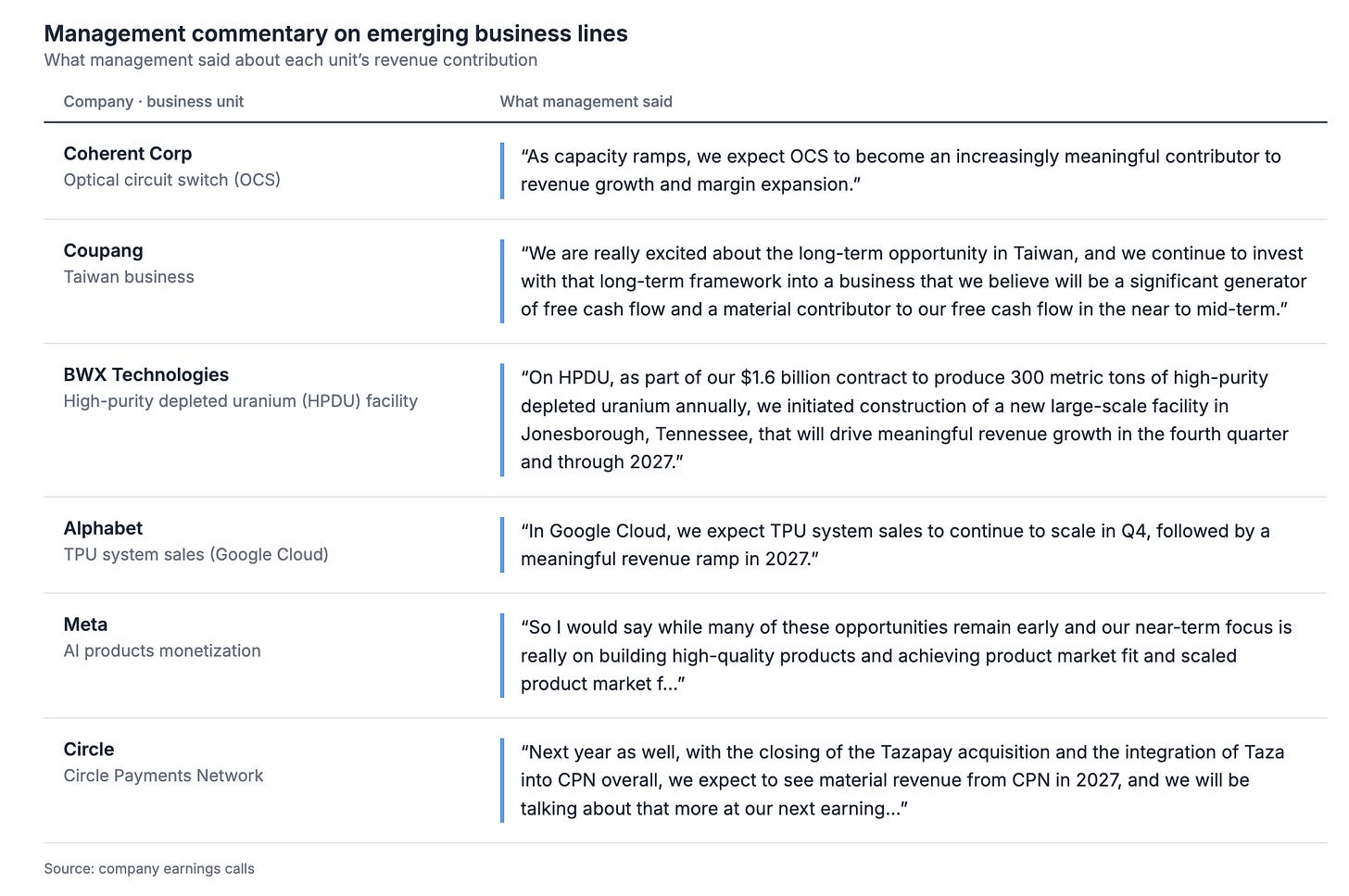
Circle CEO Jeremy Allaire argued on a recent earnings call that on-chain infrastructure and digital dollars could reduce the marginal cost of storing and transferring value. He said the network should not simply follow a traditional payment model that charges 10–30 basis points. For a payer or merchant, however, lower fees at scale remain a goal, not an established outcome.
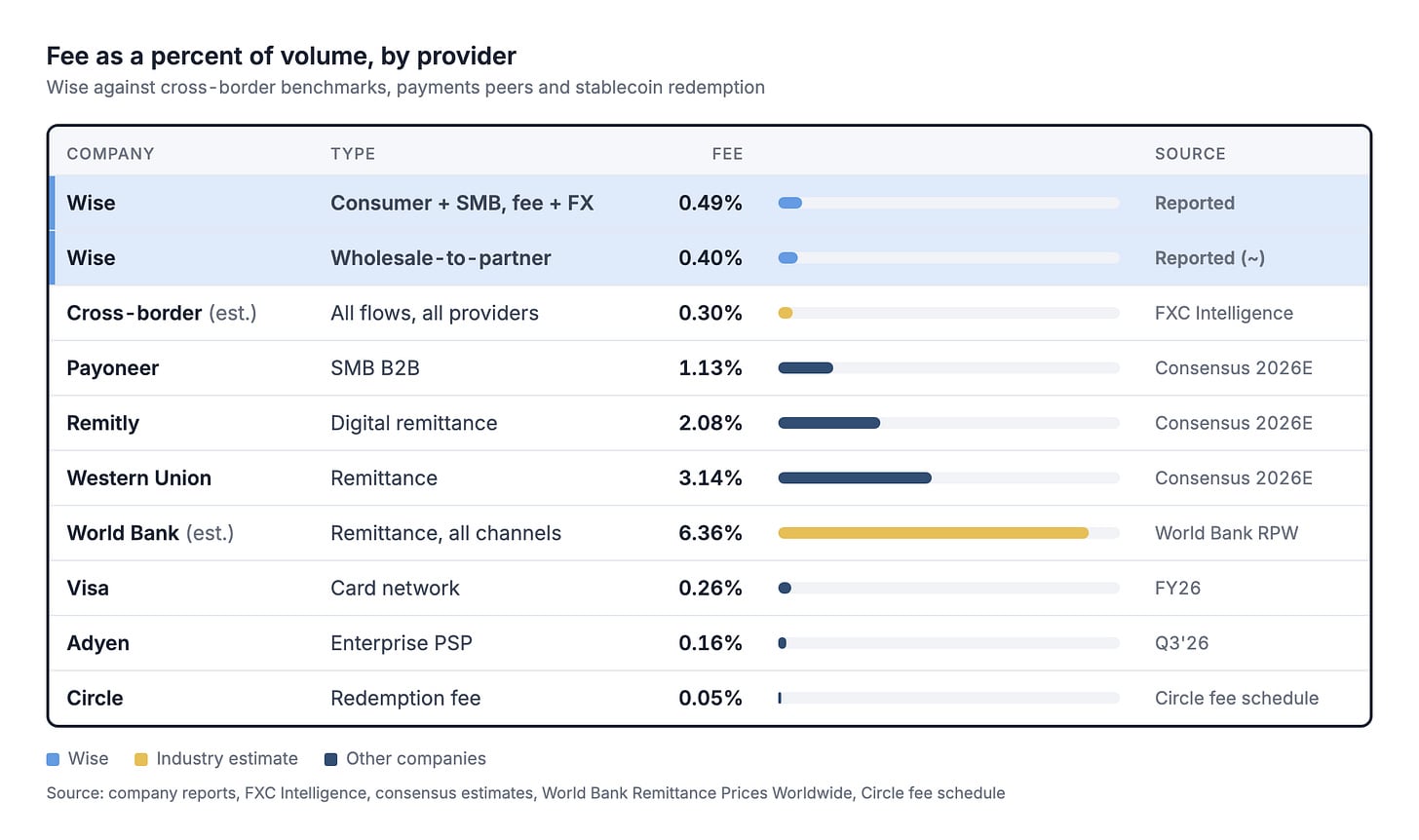
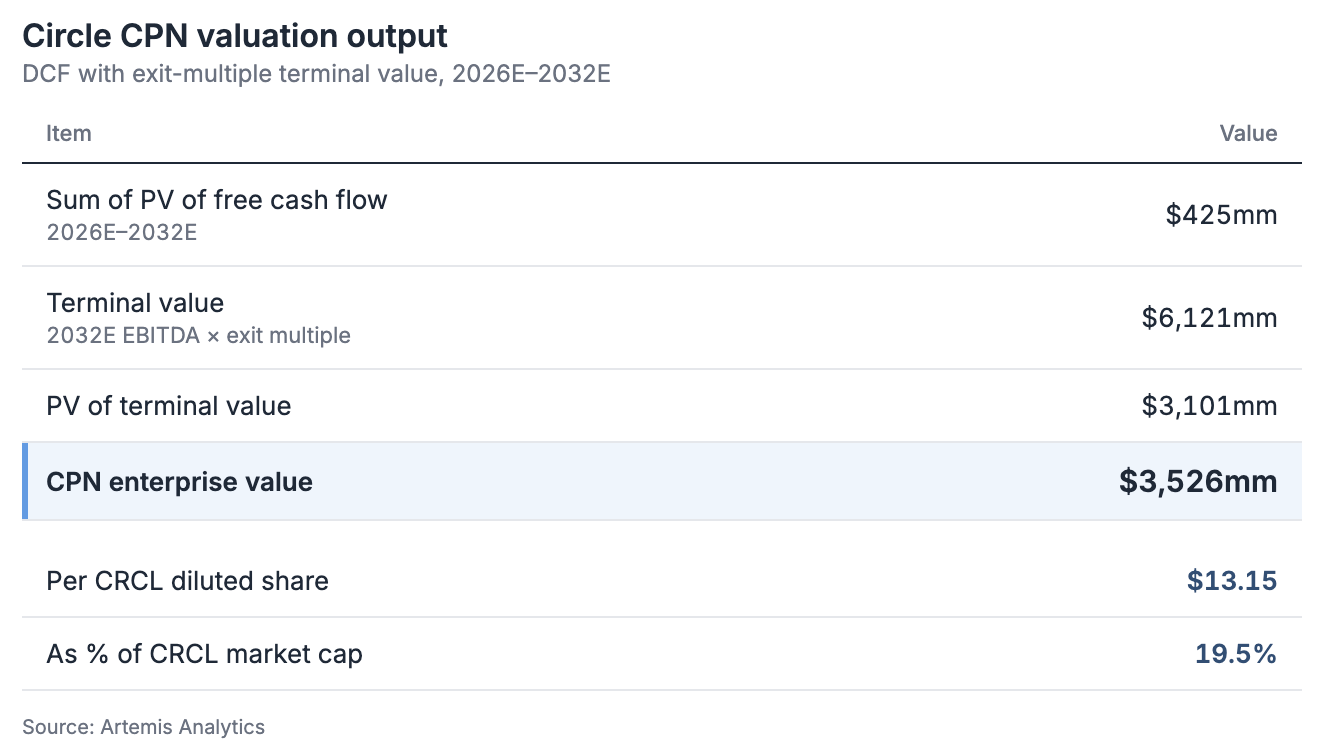
Artemis calculated that Circle’s network would need to charge less than 10 basis points per transaction to fulfill that cost promise. Its scenario projected roughly $1 trillion in stablecoin payment volume by 2032, or about 1.5% of global non-bulk cross-border flows. Assuming an average fee of seven basis points, Artemis projected approximately $755 million in annual revenue by then. It further estimated a $3.5 billion enterprise value using a 45% earnings-before-interest-taxes-depreciation-and-amortization margin—about 20% of Circle’s market value under its analysis.
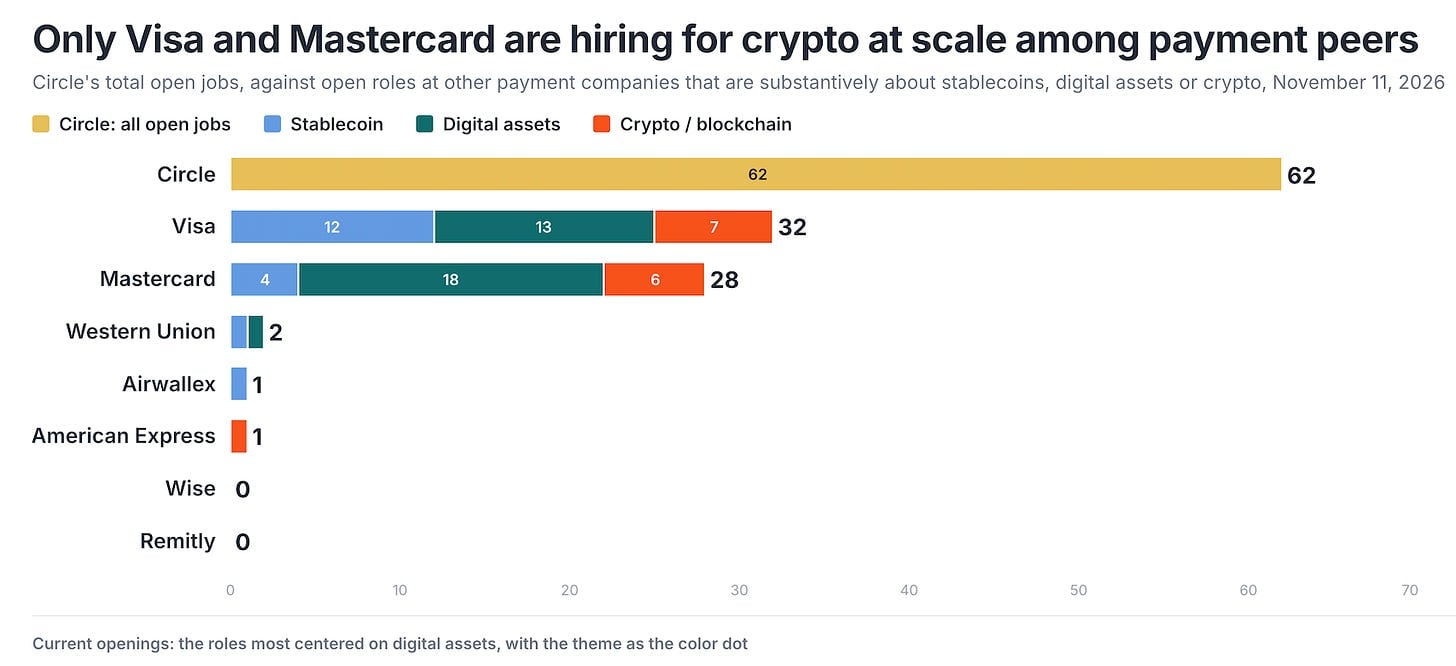
Those figures are Artemis’s forecasts, not current network results. The practical question is whether Circle can build enough payment-network usage to offer the lower clearing costs its model assumes, particularly as established payment companies expand their digital-asset efforts.